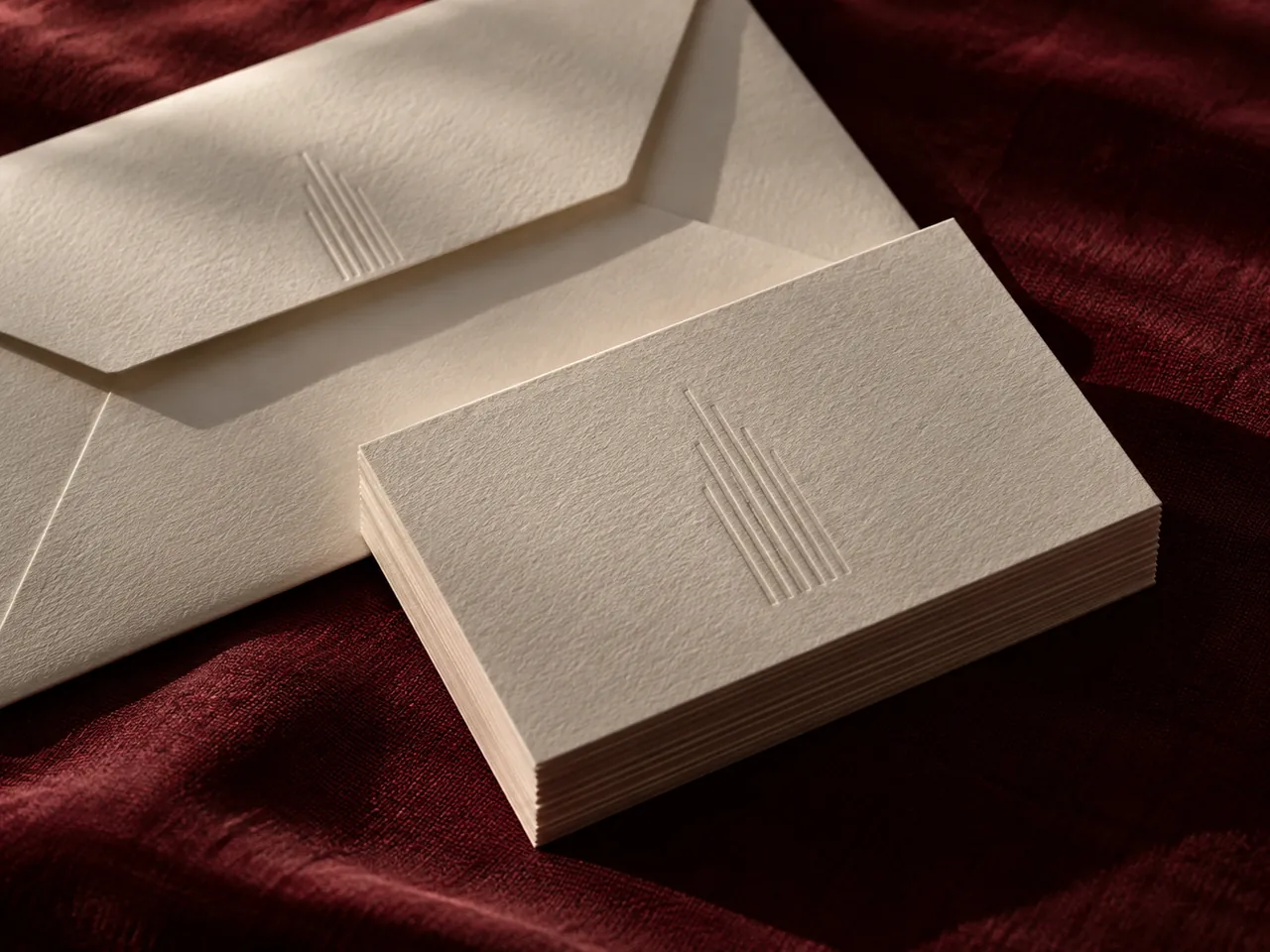
Proof of work: when the record of the job is part of what clients buy
Much of the best craftsmanship disappears once the job is done: under paint, inside walls, beneath upholstery. The record of that work is often the only proof it happened, and most businesses hand it over as a folder of photocopies.
Invisible work is hard to sell
A restored car, a renovated house or a rebuilt piece of furniture simply looks finished. The client sees the result, not the hundreds of decisions and hours behind it. When the time comes to sell, insure or show it to someone, they have nothing to point to. For the craftsperson, the same gap means their work cannot easily be compared with a cheaper competitor's.
What a good record contains
- Before, during and after. Photographs taken from the same angles at each stage, so the change is obvious.
- What was replaced, and why. Original parts kept, parts remade, materials and suppliers named.
- Hours and hands. Who did what, and for how long. Specialist work deserves to be credited.
- Care from now on. What the owner should do, and when to come back.
- A signature. A number, a date and a name that tie the record to the work.
Make it an object worth keeping
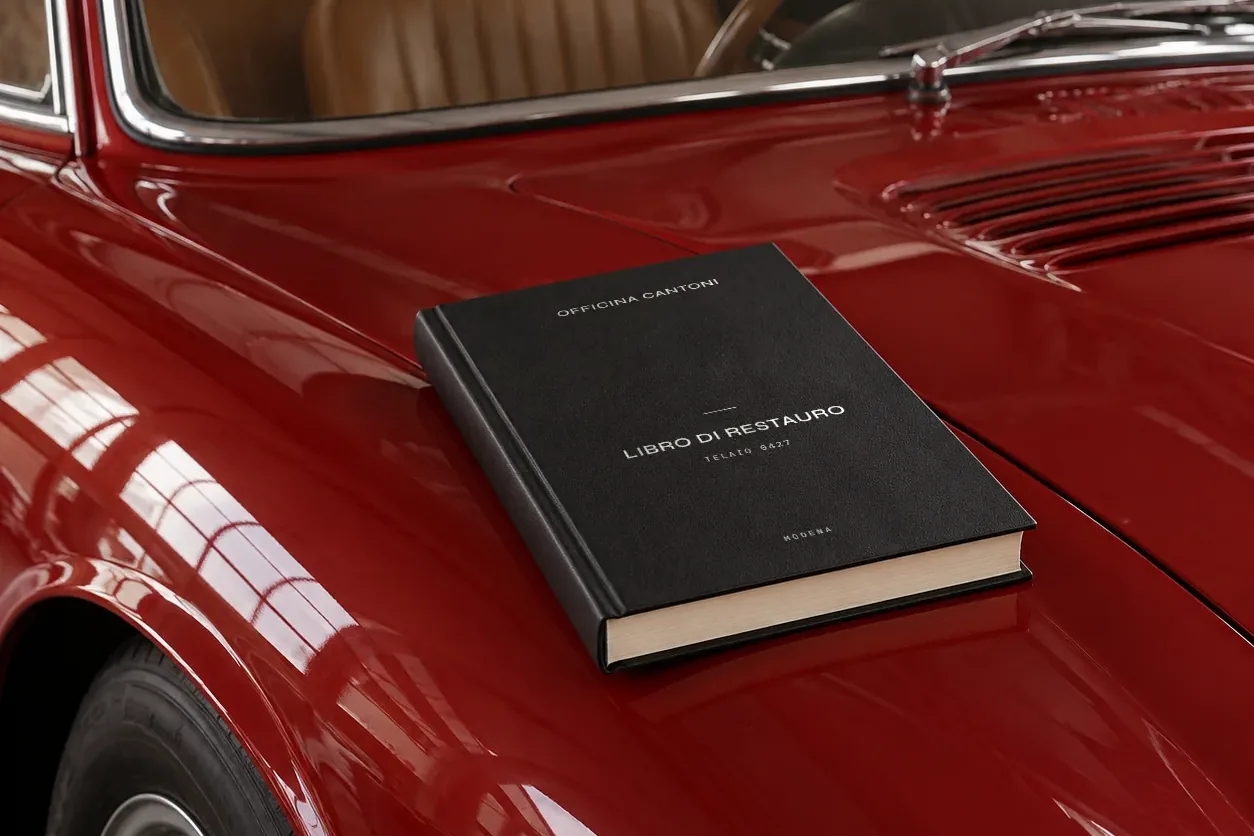
Presentation matters because the record will be handled for years and shown to people who count: buyers, insurers, valuers, the next generation. A bound book or a well-designed folder says the work was taken seriously. Paired with a private online version, it can be updated each time the owner returns for service.
The work may be hidden. The proof of it should not be.
For many makers, the record can become part of the product itself, shown on the website and promised in the proposal. Clients comparing quotes rarely see what is behind the price. A sample record shows them.
Related project: OFFICINA CANTONI, restoration books, key fobs and website for a classic car restorer in Modena.