The private viewing room: showing work online to a chosen few
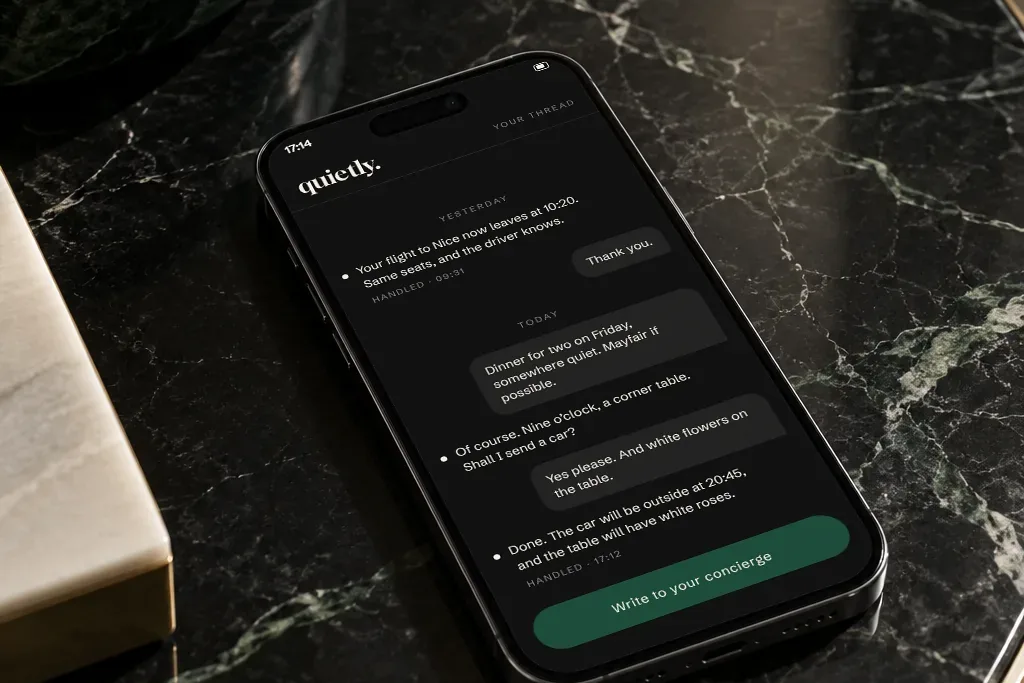
Some of the most valuable things a business sells are never shown publicly: a painting offered to three collectors, an off-market house, a piece made for one client. Email attachments are the usual answer. A private viewing room is a better one.
Why attachments are not enough
Large images get compressed, forwarded and lost in inboxes. The client cannot see the work beside its documents, and the seller cannot tell whether anyone looked. Worse, a PDF that leaves your hands is out of your control: it can travel much further than the three people it was meant for.
What a viewing room needs
- A private link per client. One page, made for one person or one family, that can be switched off when the offer ends.
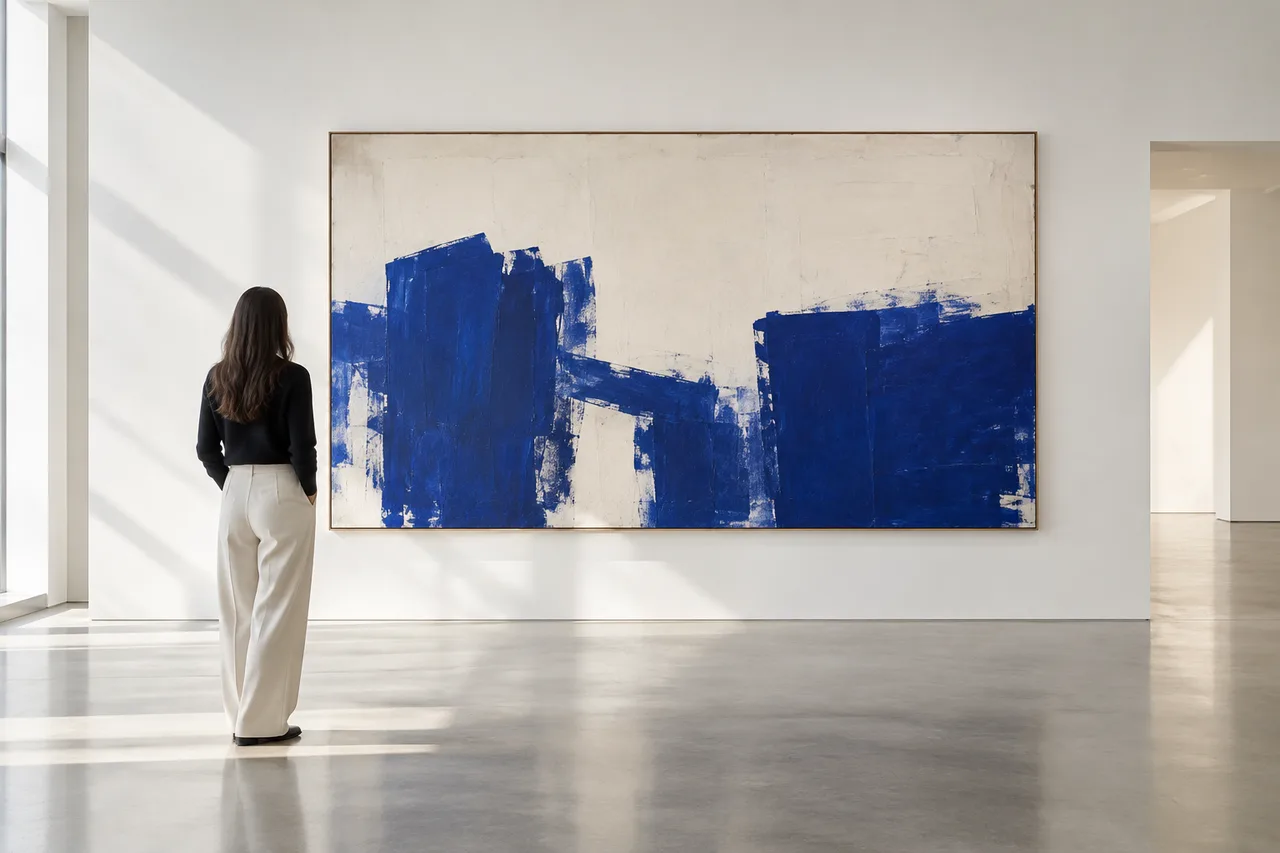
- Images at their best. Large, zoomable and true in colour, with details and installation views, not a single thumbnail.
- The documents beside the work. Condition, provenance, dimensions, plans or certificates, in the same place as the pictures.
- A clear next step. Request a viewing, ask a question, hold the piece. One button, answered by a named person.
- Quiet by default. No search indexing, no public listing, no tracking beyond what the client has agreed to.
The same look as everything else
A viewing room should feel as if it belongs to the house that sent it: the same type and the same calm layout as the catalogue, the report and the invitation. When the online room and the printed material share one system, the client trusts the link before they open it.
Private does not have to mean primitive. The best work deserves the best room, even when only three people will ever enter it.
If you send valuable offers as attachments today, try one private page for the next one, and watch how the conversation changes.
Related project: ORDO, catalogues, condition reports and a private viewing room for an art advisory in Berlin.