Discretion as a design brief: brands for clubs and family offices
Most brands are designed to be noticed. A private club or a family office needs the opposite: a brand that is almost silent in public and generous to the few people it is for.
Decide who the brand is for
A private brand has two audiences, and they see very different things. Members, clients and their advisers see everything: the letters, the cards, the private pages, the people. Everyone else sees almost nothing: a door, a name, a page that confirms the place exists. Design the inside first, and let the outside be a quiet sign of it.
Quiet is not the same as plain
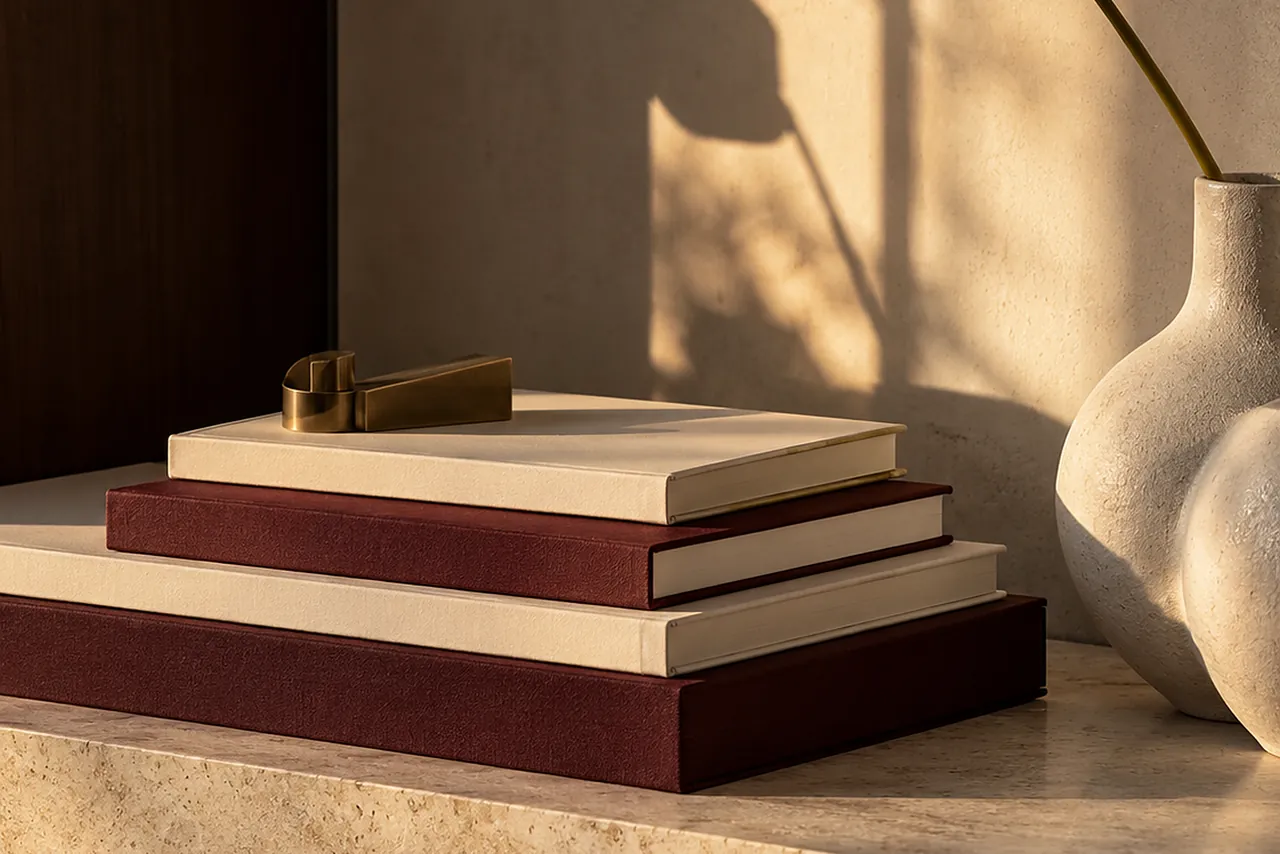
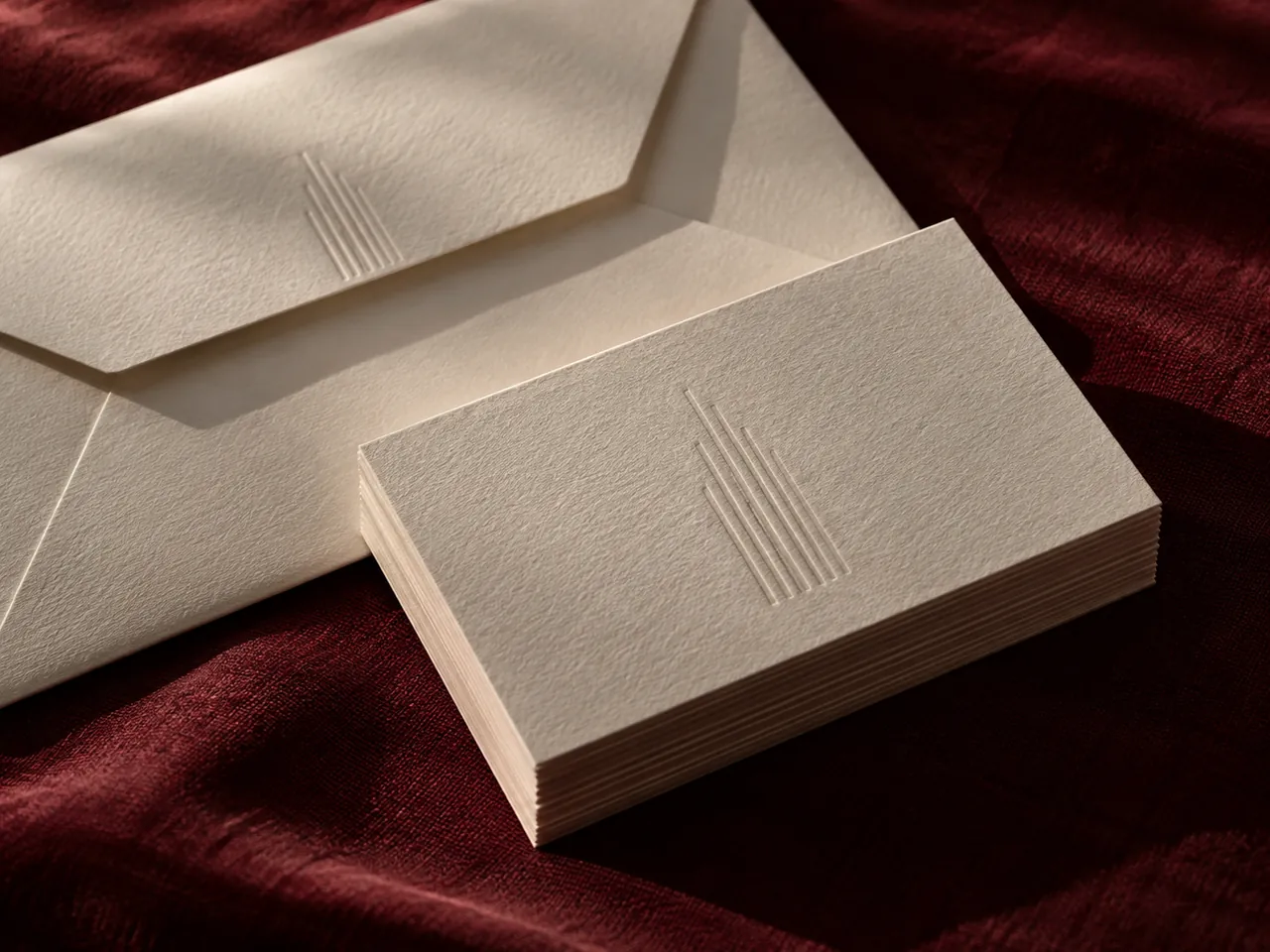
Discretion is often mistaken for an absence of design. The best private brands are rich in detail and modest in volume: a mark that works blind-embossed, a single colour, paper with weight, a typeface chosen for long letters rather than billboards. The care is visible to those who hold it.
Where the brand actually lives
- Correspondence. Letters, invitations, cards and envelopes are the public face of many clubs and offices. Specify paper, printing and finishing as carefully as the mark itself.
- The door and the welcome. A small plate outside, a name inside, the way a guest is received. Signage should help those who were invited and say little to anyone else.
- The website. Often a single page: who you are in a sentence, how to make contact, and a private area behind a login. No photographs of people without their consent, and no client names.
- Search. Decide what a search for your name should show. A short, accurate page and correct listings are better than silence, which lets others describe you.
Write less, and write it well
The copy for a private brand is short and exact. It makes no claims about exclusivity; a private brand should never need to. Explain how to become a member or a client, what the process is and who to write to. Precision reads as confidence.
Protect what is shared
Discretion is also practical. Keep personal data out of web addresses and analytics, check who can open shared documents, and agree in writing what suppliers may show of the work. A design studio working for a private client should not publish the project without permission.
The studio designs identities, stationery and quiet websites for private clubs and family offices. See private clubs & family offices.