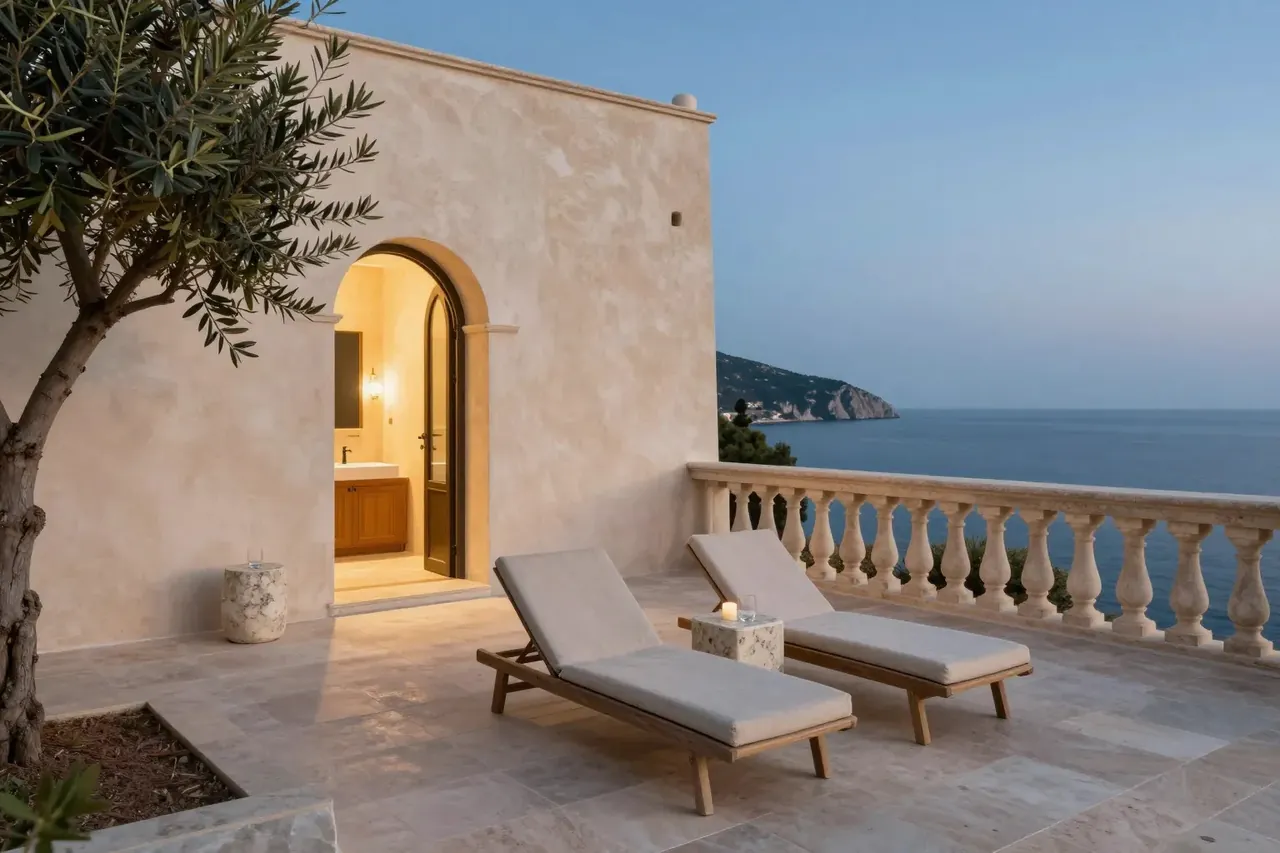
The hotel restaurant as a brand of its own
A hotel restaurant that serves only residents can live inside the hotel’s brand. One that wants a full room on a Tuesday night, with local diners, critics and guests, usually needs a name of its own.
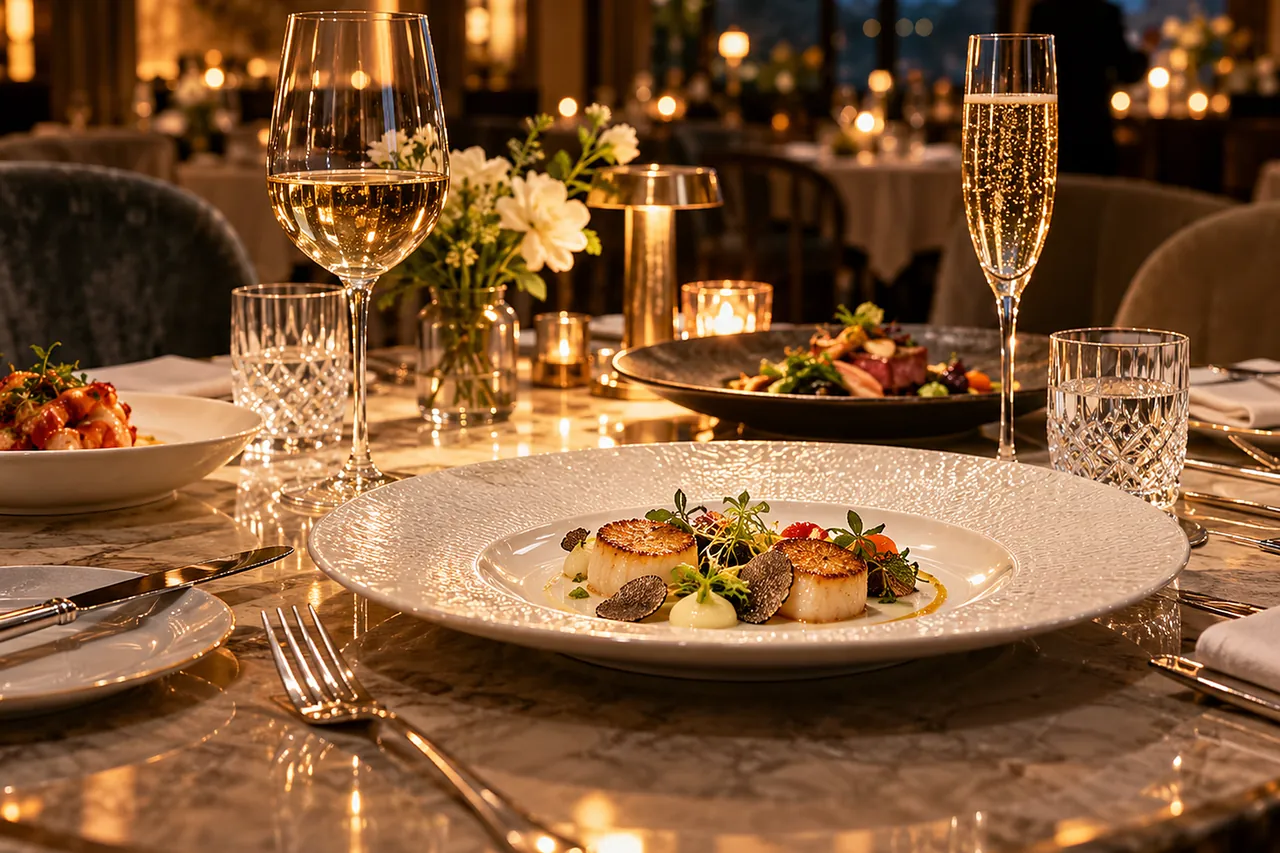
Decide whom the restaurant is for
If the restaurant exists mainly for guests, keep it close to the hotel: the same identity, a page on the hotel’s website, bookings through the concierge. If it should draw the city, it needs to stand on its own. Local diners rarely search for hotel restaurants; they search for restaurants.
What a separate restaurant brand needs
- A name. One that works in conversation and in reviews, and says something about the cooking or the place.
- A light identity. A mark, a palette and a typeface that can live on menus, glassware and a door, related to the hotel but not copied from it.
- Its own page or website. With the menu as text, opening hours, the chef, and online booking that works on a phone.
- Its own listings. A separate map listing and profiles on the guides and booking platforms diners use.
Keep the link visible
A restaurant brand that hides its hotel loses a useful story. A short line such as “at the hotel” in the right places tells diners where to find it, and tells guests that the restaurant is part of their stay.
Let the menu speak
Publish the menu as readable text rather than a PDF, and update it when it changes. Menus are among the pages diners look at most, and search engines read them too.
The studio names and designs restaurant brands for hotels and independent houses. See brand strategy & positioning.