Selling the experience: how hotels should present what guests do
Ask a guest about a stay a year later and they will describe a dinner, a walk, a boat or a fire under the stars. Yet most hotel websites hide their experiences on a page few people open.
Experiences are the reason, not the extra
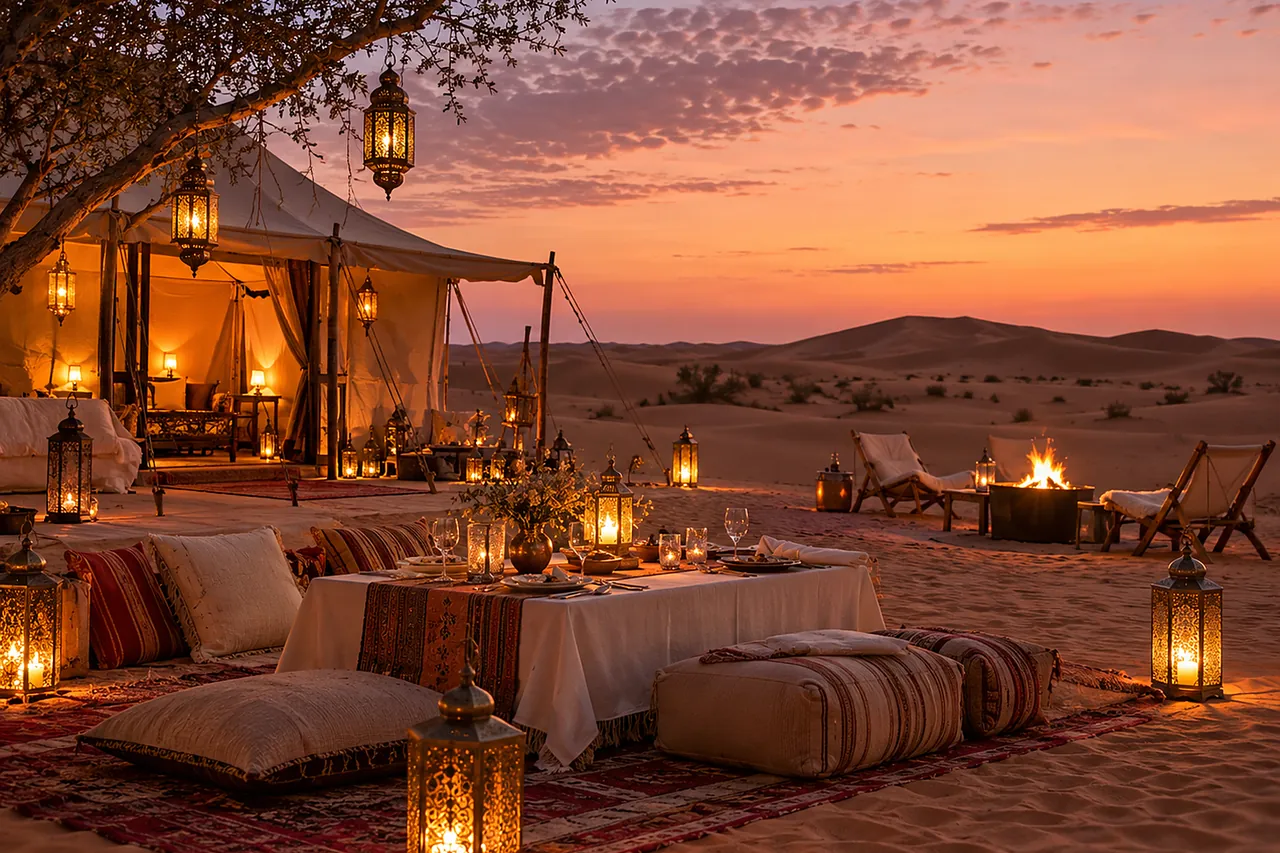
For many guests the room is the base and the experiences are the trip: a dinner in the desert, a morning with a guide, a cooking class with the chef. Presented as a list of add-ons at the foot of a page, they undersell the hotel’s strongest argument.
Give each experience its own page
A good experience page reads like a short story and works like a booking page. It says what happens, when, for how long, with whom, what to wear and what it costs. One page per experience also gives search engines something specific to show when guests look for things to do in the area.
What every experience page needs
- The moment, in one photograph. Not the venue empty at noon, but the table lit at dusk, the guide at work, the boat leaving the jetty.
- The practical facts. Duration, group size, season, whether it suits children, and how to get there.
- A way to ask or book. A form, a message, or a link into the booking engine as an addition to the stay.
- Who leads it. The guide, the chef or the sommelier, with their consent and a line about each.
Bring experiences into the booking
Show two or three experiences on room pages and in the confirmation email, while guests are still planning. A guest who has booked a dinner in the dunes before arrival is already looking forward to the stay, and is less likely to cancel it.
Be honest about season and weather
If an experience depends on the season, the tide or the wind, say so plainly. Disappointment is a brand experience too.
The studio designs hotel websites where experiences get the space they deserve. See hotels & hospitality.