Explain the evening before the guest arrives
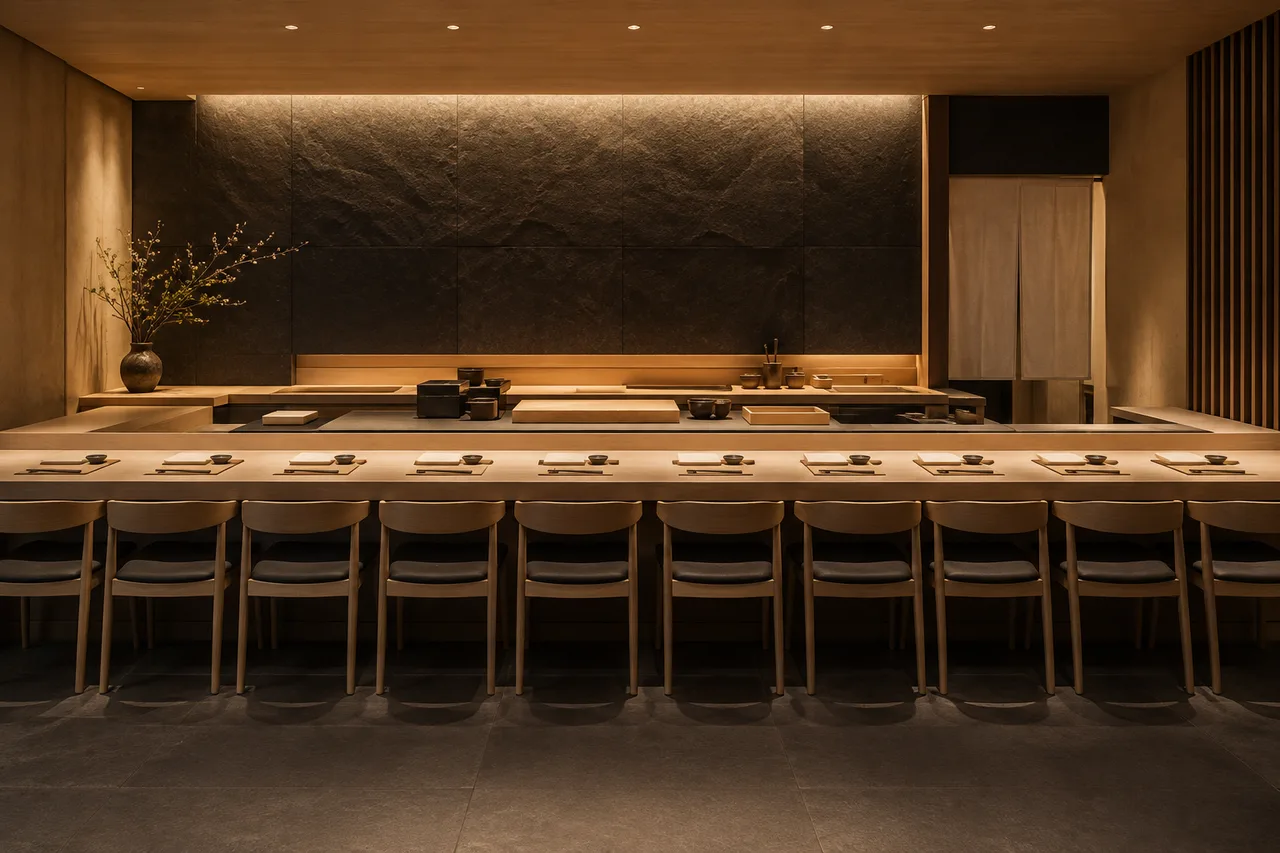
A chef opening his first restaurant outside Japan, in Geneva: ten seats at one counter, one sitting a night, a prepaid menu. Many guests had never heard the word omakase.
Unfamiliar formats need explaining
A restaurant that works differently from the ones guests know carries a hidden cost. People arrive late because they assume the sitting is flexible. They ask for the menu. They do not book at all, because they cannot picture what they would be paying for. In a room with ten seats, every one of those misunderstandings is a tenth of the evening.
Put the answers beside the calendar
TSUKIRO's booking page does the explaining before the guest commits. Next to the dates sit the three things a newcomer needs to know:
- When to arrive. One sitting means everyone starts together, so the arrival time is stated plainly.
- How long it lasts. Guests can plan the rest of their evening.
- What is served, and how it works at the counter. A short, calm note on the sequence of courses and the etiquette, written to reassure rather than to test.
The voice is instructive without being stiff: what to expect, when to arrive, what is served.
Prepayment as part of the promise
Paying at booking feels unfriendly when it is presented as a penalty. Presented as part of the format, it makes sense: the chef buys and prepares for exactly ten people, so each seat is reserved and paid for in advance. In a room this small, it ended no-shows. The same logic made gift cards easy to offer. An evening can be given, with a card in a washi envelope.
When guests do not yet know how your evening works, the booking page is the first course.
Tasting menus, chef's tables, supper clubs and set-time experiences all face this. Write down every question a first-time guest asks at the door, then answer it on the page where they book.
See the full case: TSUKIRO, identity and prepaid booking for an omakase counter in Geneva.