Selling a €4,000 ring without a shop
NAÏRA was born on Instagram and sold through direct messages. The pieces were real fine jewellery; the way they were sold made them look like something else.
Where trust leaks
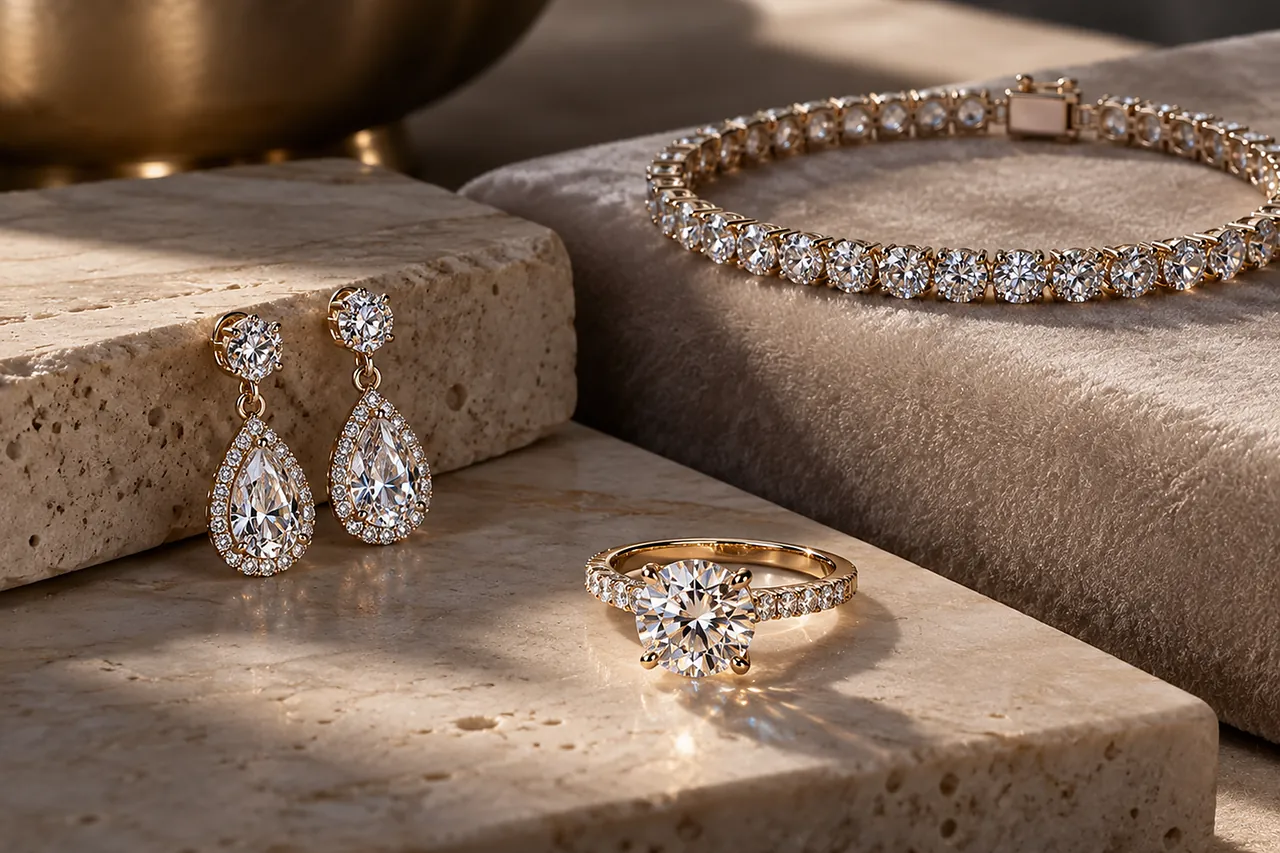
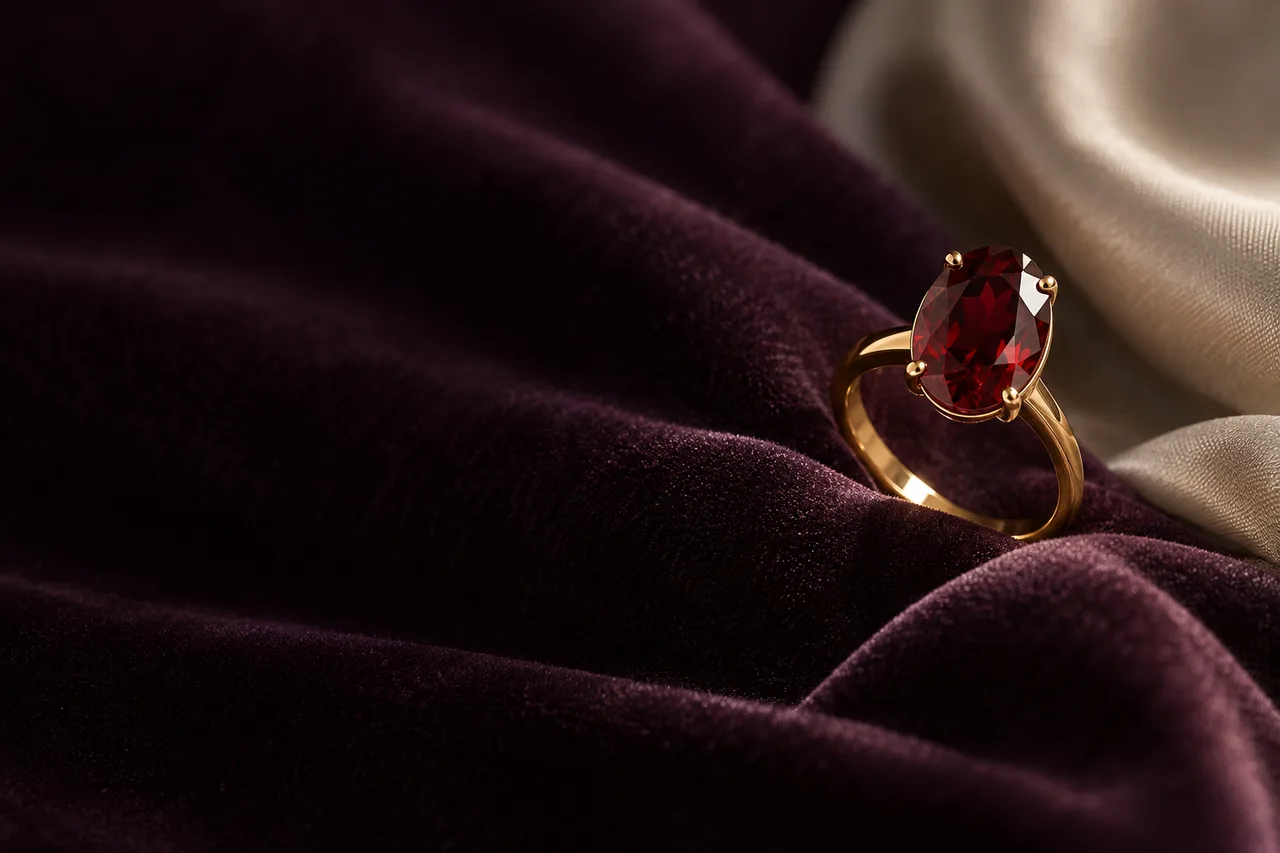
In a shop, trust is built at the counter: the light, the weight of the piece in the hand, the person who answers questions and will still be there next year. Online, each of those has to be rebuilt on purpose. NAÏRA's pieces were shot on white and sold by direct message, and both choices quietly worked against the price. On white they looked like costume jewellery. In an inbox, a €4,000 payment felt like a risk.
Answer the fears before the payment
The store was designed around the questions a careful buyer asks before spending that much on something they have only seen on a phone:
- Will it fit? A free ring sizer is posted before any payment is taken.
- Is it real? Every piece is numbered, and each certificate can be checked online by that number.
- Can I see it first? Clients can book an hour in the Paris workshop.
- What happens later? Every piece is repairable for life, and the care card says so.
None of these features is unusual on its own. Together, and placed before the checkout rather than hidden in a footer, they make the purchase feel safe and the maker feel present.
The box is part of the proof
For a brand without a shop, the packaging is the first physical contact. The ring box, pouch, certificate and care card were designed as one set, so the moment of opening confirms what the website promised. Order and shipping emails keep the same voice: intimate and precise, carats and grams, no superlatives.
Online, a high price is not the obstacle. Uncertainty is. Remove the uncertainty and the price can stay where it is.
Any maker selling expensive pieces online can run the same exercise. List every reason a client might hesitate, then make sure the site answers each one before it asks for a card number.
See the full case: NAÏRA, packaging and online store for fine jewellery made in Paris.