Selling off-plan: marketing a residence before it is built
Buyers of an unbuilt residence are buying a promise. Everything the developer publishes, from the first visualisation to the last progress update, either strengthens that promise or weakens it.

Visualisations that can be trusted
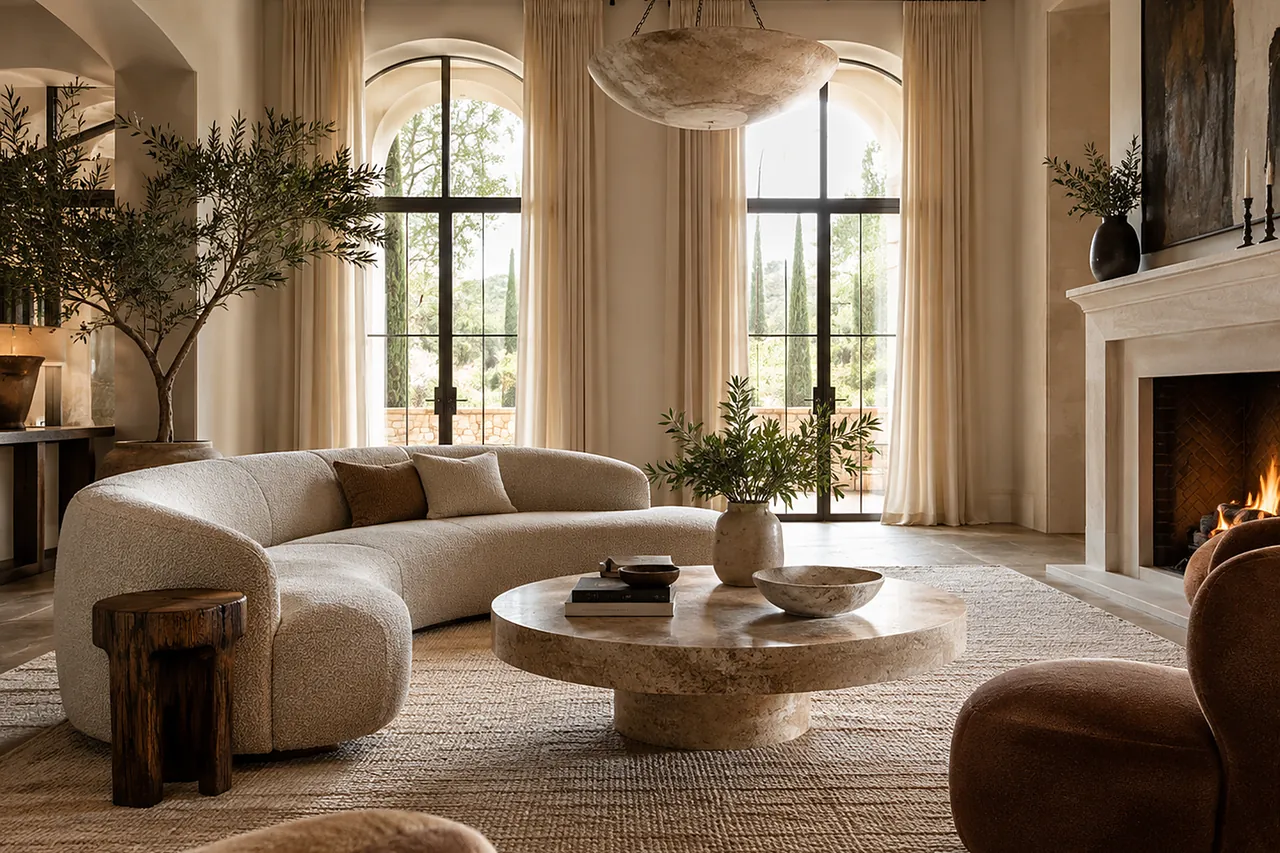
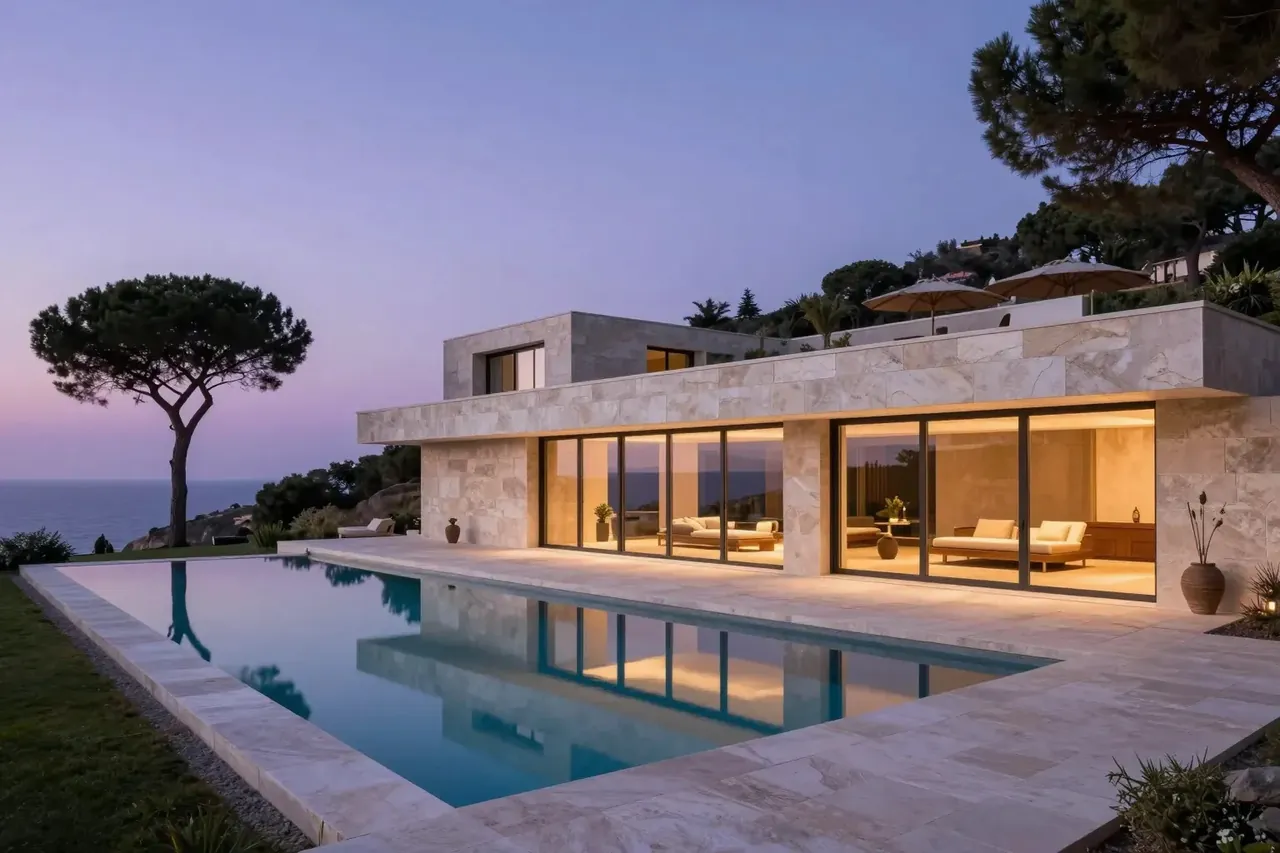
Computer-generated images sell the vision, and buyers will later compare them with the finished building. Use the real site, the real orientation and the real view. Show the materials that will actually be used, in the light of the hour the image depicts, and label every visualisation clearly.
A website that grows with the building
- Launch. The idea, the location, the architecture and a way to register interest.
- Sales. Residence types with floor plans, specifications, availability and booking for viewings at the sales suite.
- Construction. Regular progress updates with real photographs and dates. Buyers who have reserved share them with friends.
- Completion. Photographs of the finished building replace the visualisations, and the site becomes the residents’ reference.
The sales suite as a brand space
The sales suite is often the first time buyers touch the materials. Bring the stone, the timber, the hardware and the light. A physical model of the site explains orientation and views better than any screen.
Say what is fixed and what may change
Be clear about what is final and what is still subject to permission or design development. Buyers accept change when it is explained early; they resent it when they discover it.
The studio creates identities, websites and sales materials for residential developments. See real estate & architecture.