Staging a show residence: interiors that sell before move-in
Buyers decide in rooms. Even when the first visit happens on a phone, they are imagining themselves on the sofa, by the fire, at the window. Staging is how a developer helps them do it.
Stage for a life, not a showroom
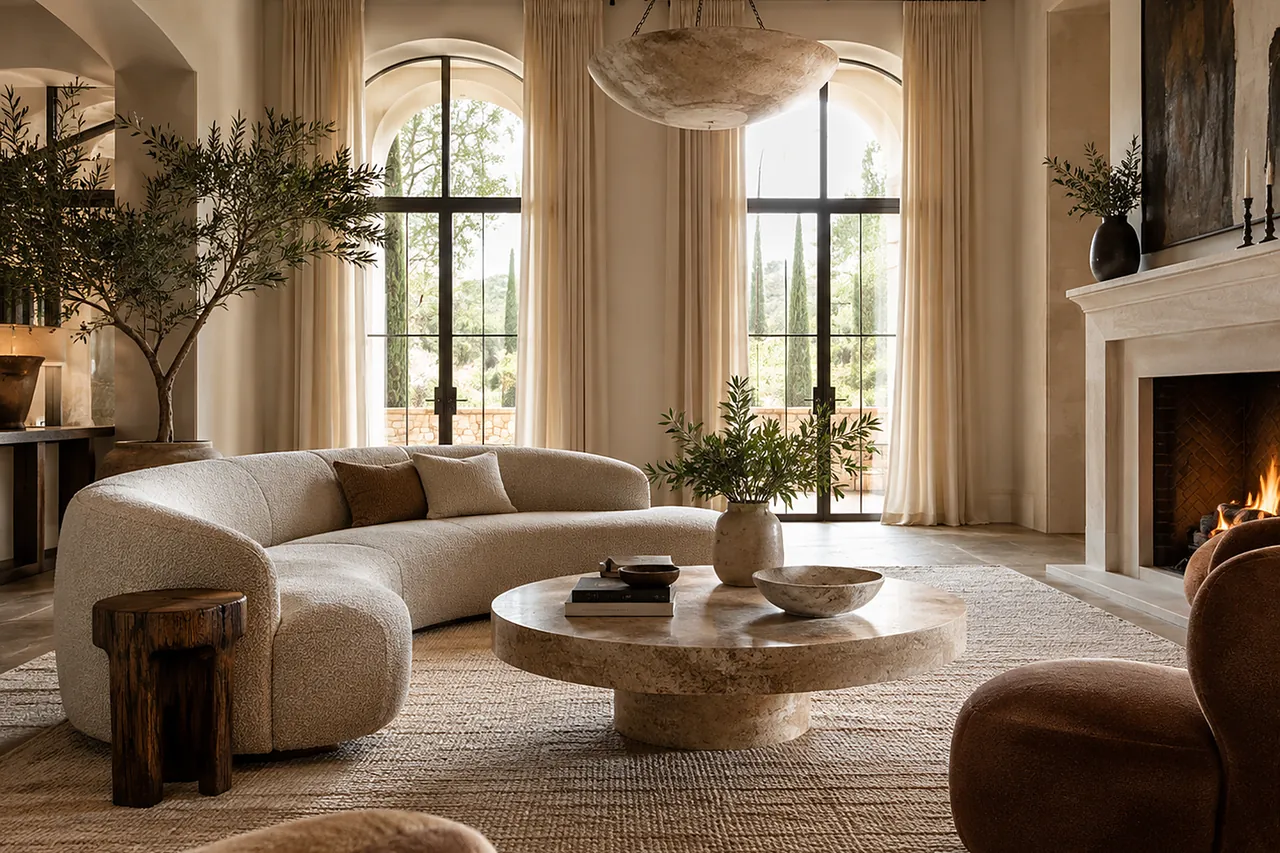
A show residence should look lived in by someone the buyer would like to be. Books that have been read, a bowl that is used, a throw on a chair. Too many objects look like a shop; too few look like a rental.
Take the palette from the building
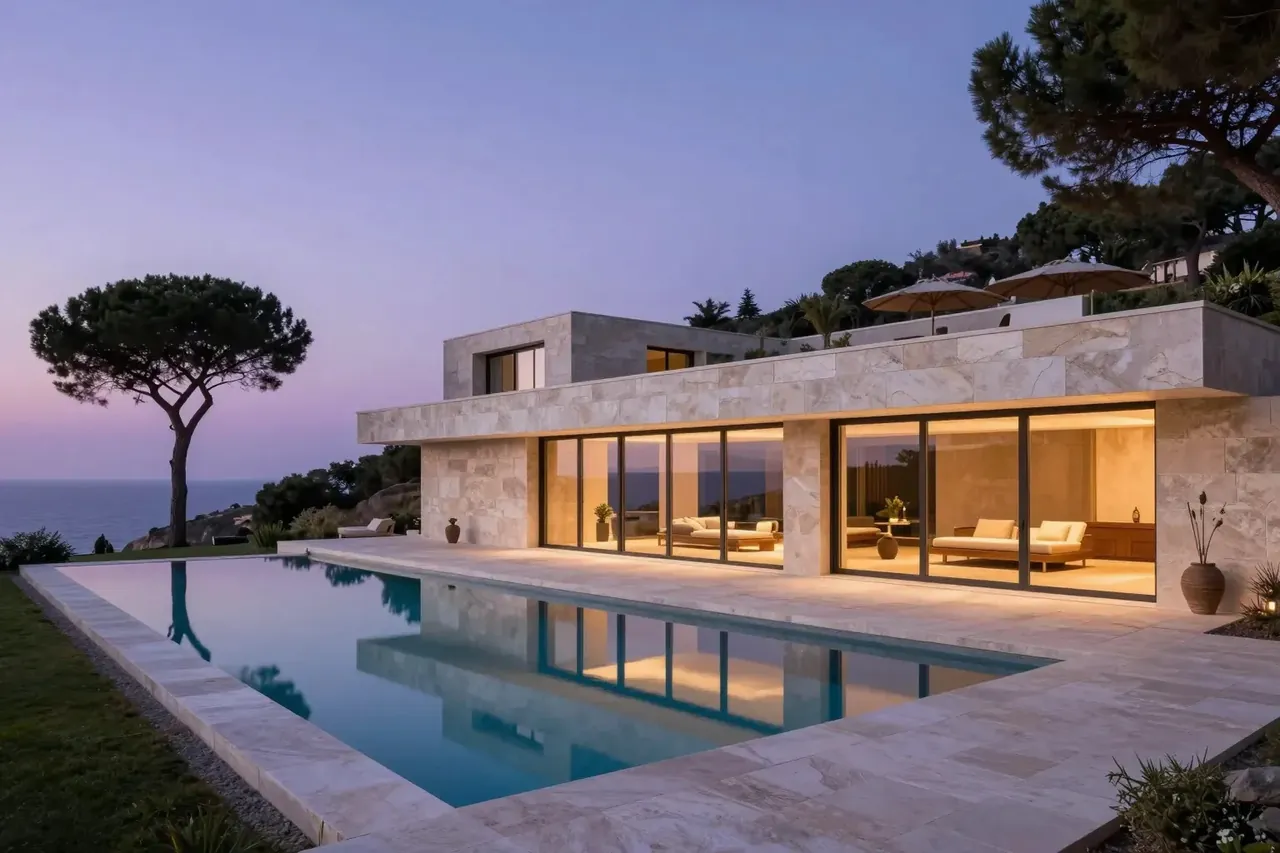
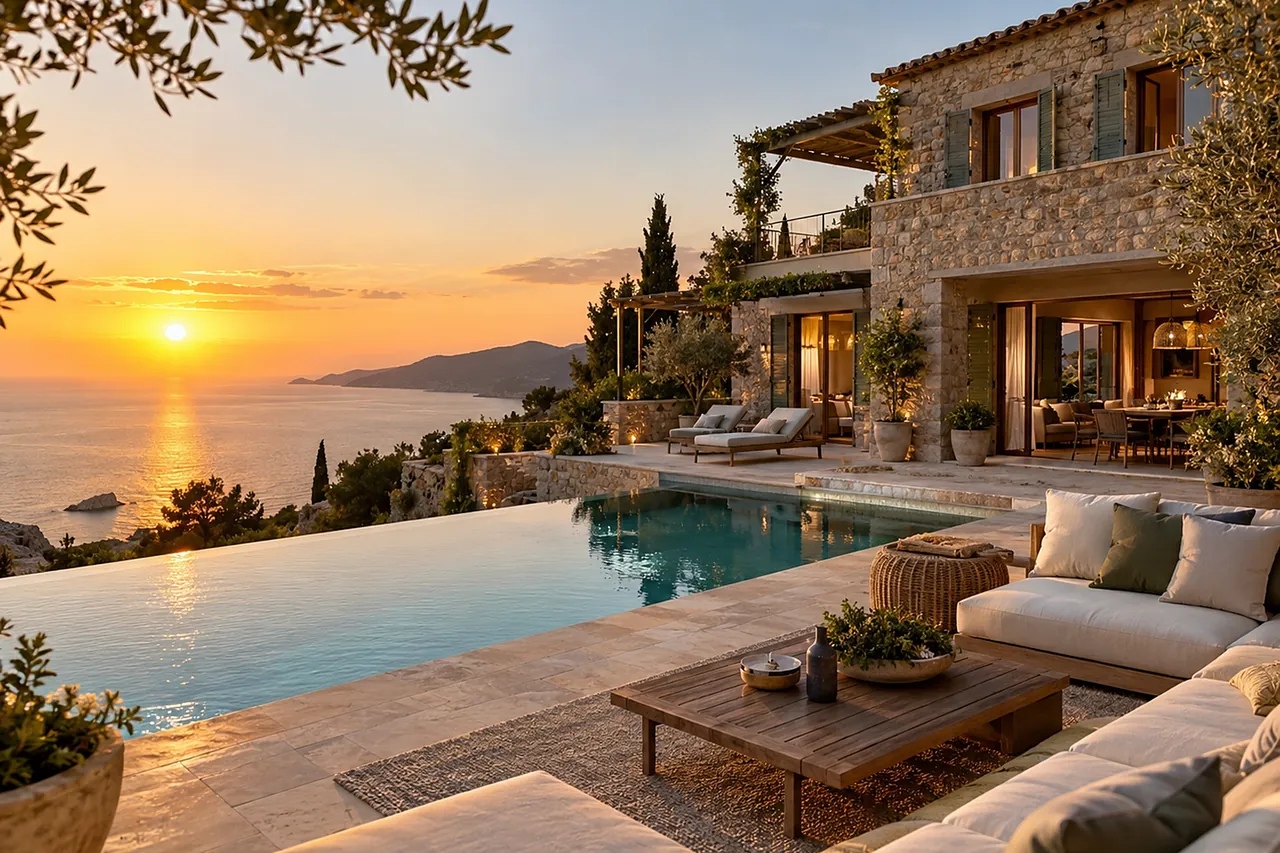
Choose colours and materials from the architecture: the stone, the timber, the light. Furniture and textiles in that range make rooms feel larger and keep the images coherent across the sales book, the website and the hoarding.
Photograph the light, then the room
- Note when each room has its best light, and plan the shoot around it.
- Shoot every main room wide and at eye level, so buyers can read the space and its proportions.
- Add details: the stone of the fireplace, the joinery, the view from a window. Details carry the quality.
- Photograph the transitions, from living room to terrace and kitchen to garden. Buyers want to understand how the home flows.
Keep it honest
Lenses that stretch rooms and retouching that removes walls cost trust at the first viewing. Where the building is not finished and a visualisation is used, label it. Buyers forgive renderings; they do not forgive surprises.
Use one set everywhere
Plan the images for every place they will appear: website, brochure, property portals and social channels. One well-planned shoot gives the whole campaign a single visual language.
The studio art-directs show residences and property shoots for developers. See real estate & architecture.