Rolling out a fleet brand without grounding a jet
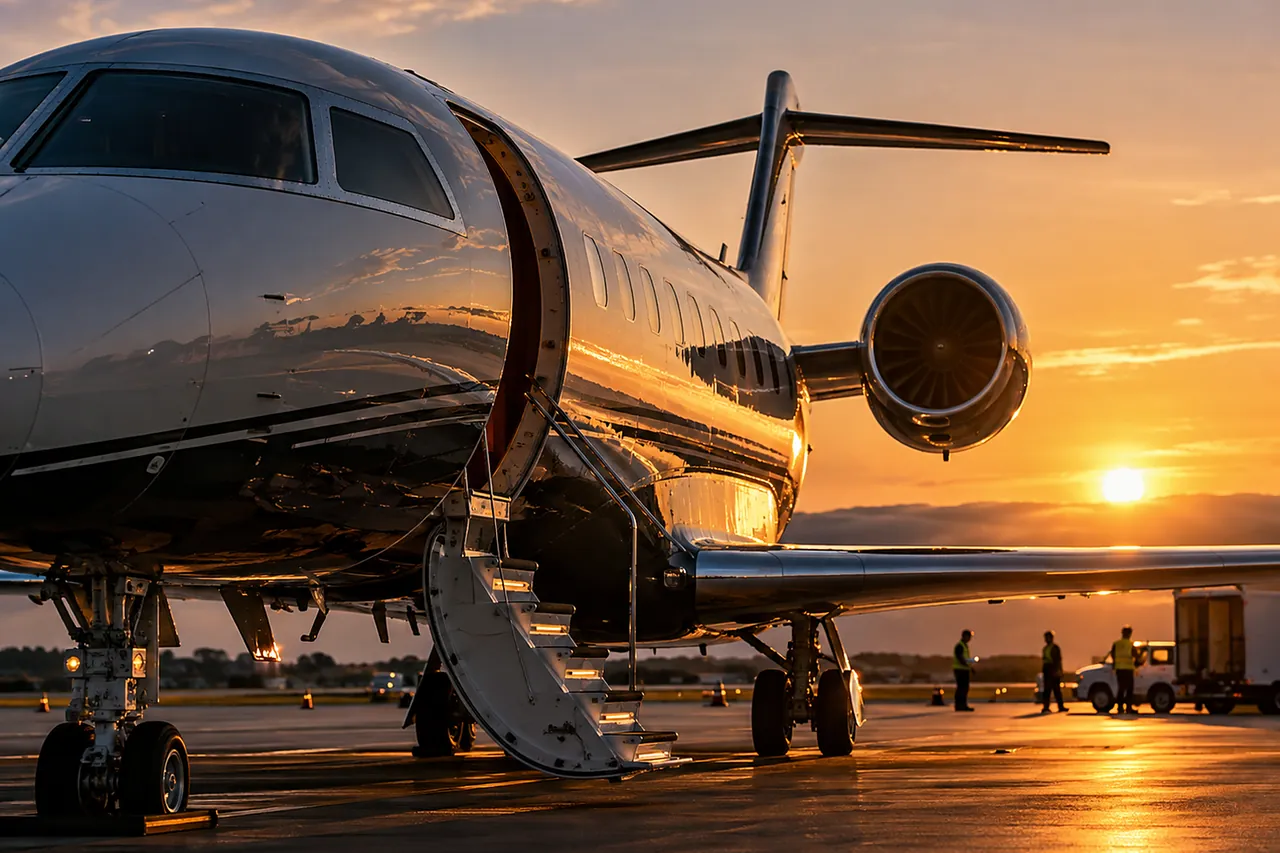
NORVANE operates six jets from Farnborough. The brand looked like a 2010 airline, quotes were handled by email, and every day an aircraft spends in a hangar is a day it is not earning.

A rebrand is also an operations plan
In most sectors, launching a new identity means switching files. In aviation, the brand is painted on the product. A new livery means hangar time, and hangar time means an aircraft that cannot fly. Plan the rebrand like a marketing launch and you either lose revenue or fly a fleet in two liveries for a year.
Design for the schedule you already have
NORVANE's rollout took sixteen weeks, with the livery applied during each aircraft's scheduled maintenance. That decision shaped the design itself:
- A livery that can be applied quickly. A single stripe, drawn from a real climb-out path, rather than a full repaint.
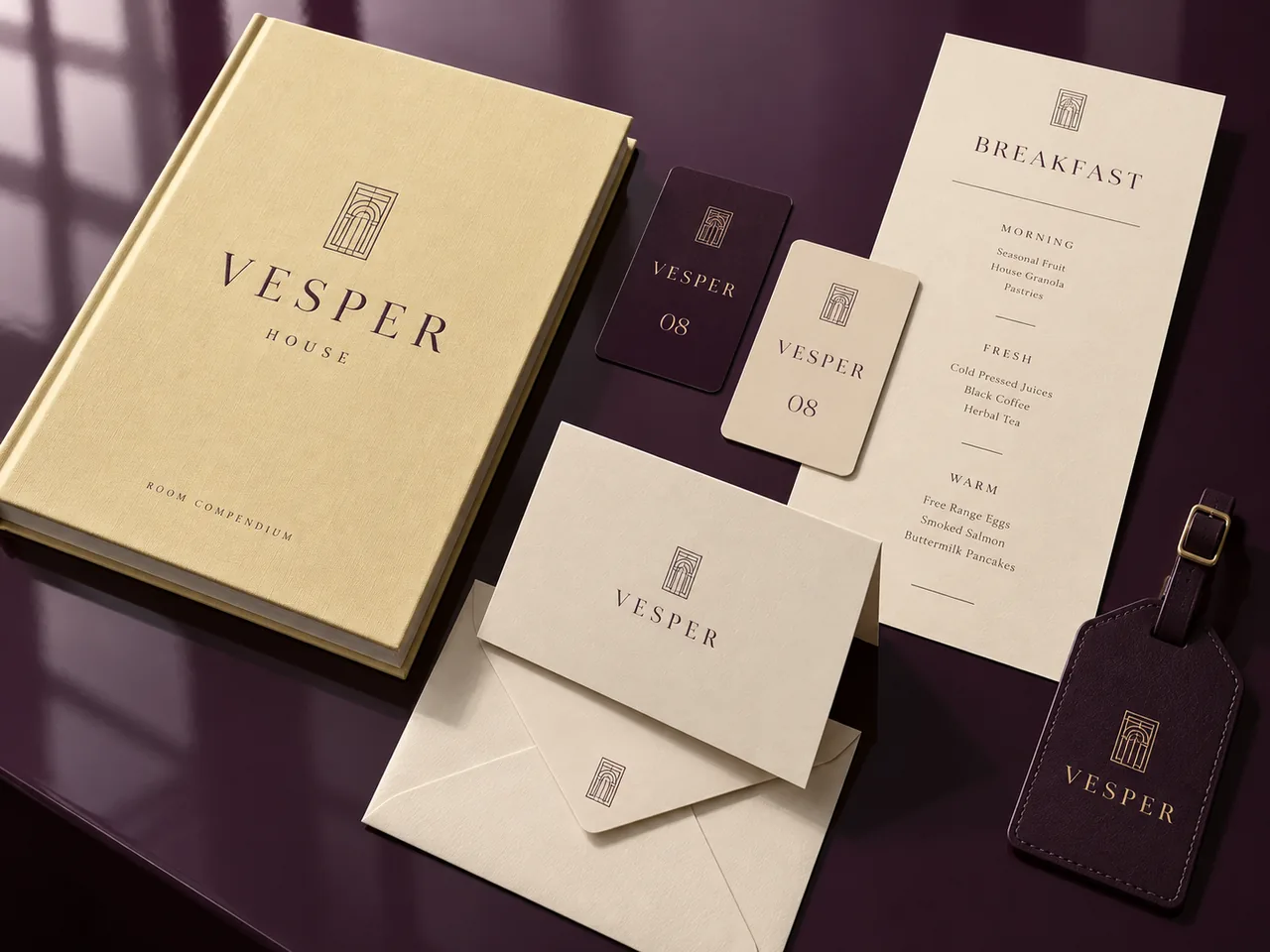
- Everything else first. Boarding cards, luggage tags, amenity kits, crew IDs and uniforms changed before the aircraft did, so clients met the new brand on the ground from the start.
- Broker sheets for every aircraft. Brokers compare operators side by side, so each jet got a sheet in the new format as soon as it was ready.
Win the booking before the comparison
The other half of the problem was the quote. Six aircraft were competing on price on broker platforms, and a slow exchange of emails made that worse. The new website asks for three things: route, date and passengers. The operations team asks for the rest. Aircraft are shown by range and seats, by mission rather than by model, and crew pages let repeat flyers see who is flying them.
A fleet rebrand has gone well when clients notice the change and the operations team barely does.
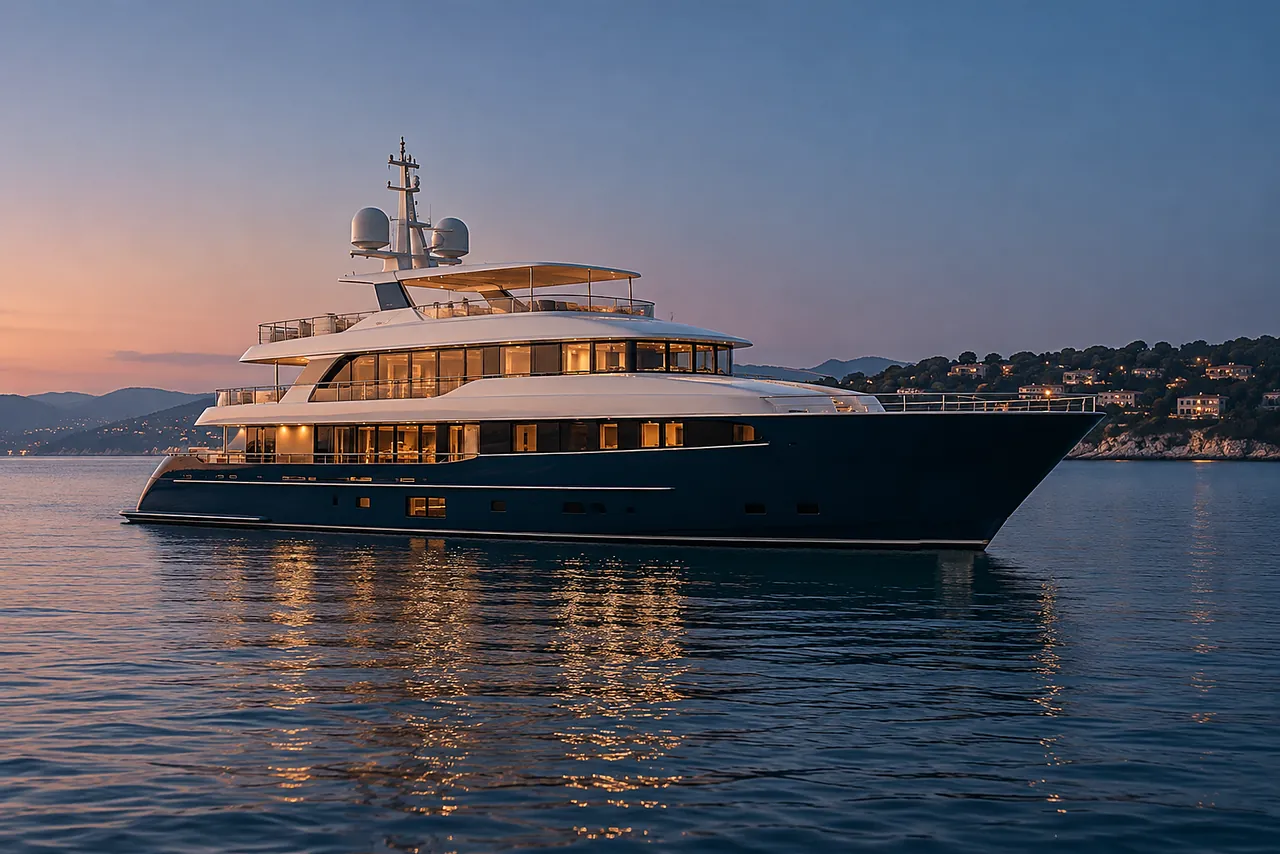
The lesson extends to yachts, hotel groups and any business whose brand lives on assets in service. Sequence the rollout around the maintenance calendar, change the small things first, and let the big surfaces follow.
See the full case: NORVANE, identity, livery and quote flow for a fleet of six jets.