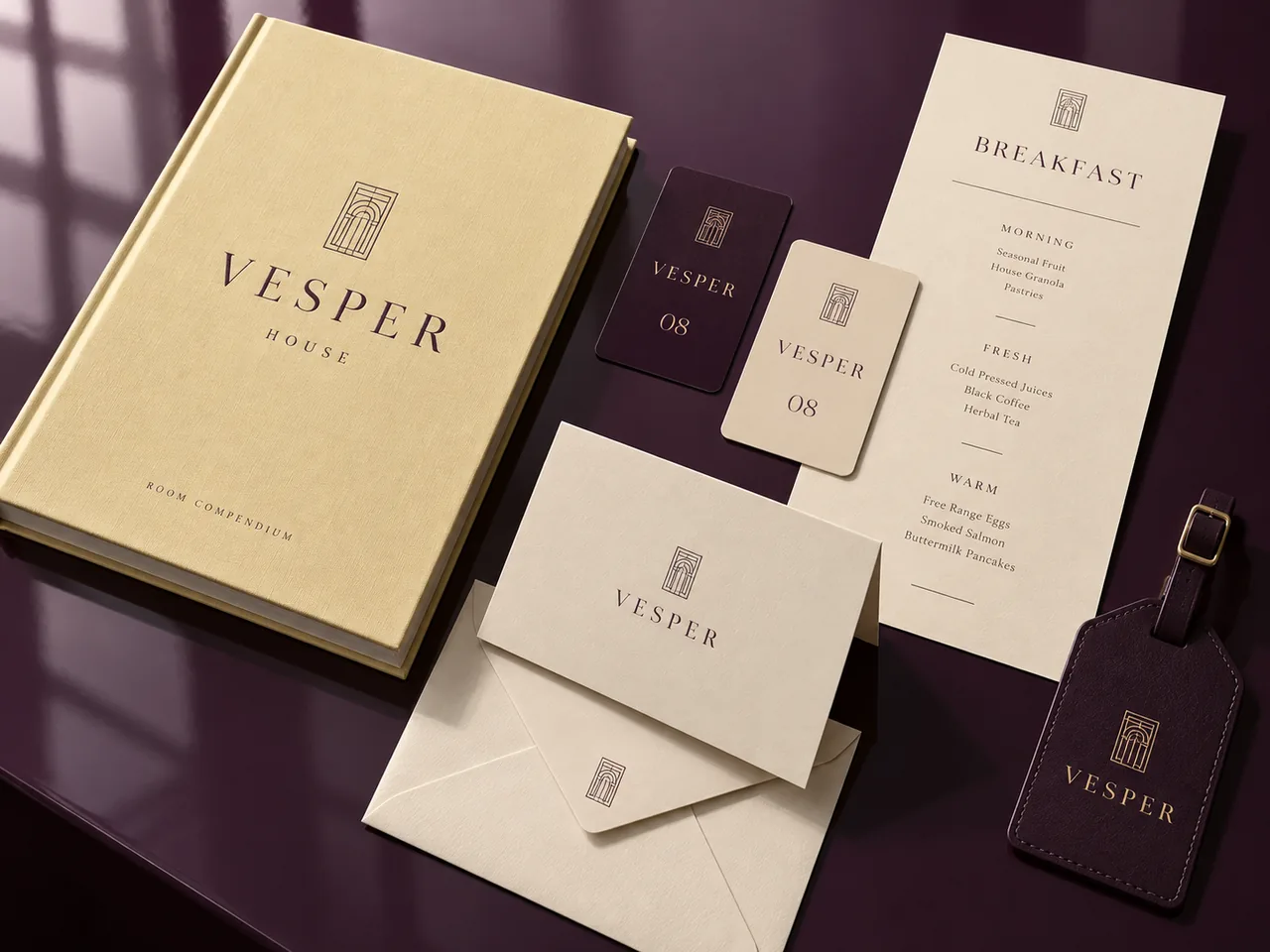
A brand book people actually open
Most brand books are admired at the presentation and then forgotten on a shared drive. The useful ones are written for the people who apply the brand every week: the printer, the photographer, the developer and the new marketing manager.
Write for the person with the deadline
A brand book is not a portfolio piece. Its readers are busy, and they open it with a question: which logo on a dark background, what size on a business card, which grey for body text, may I use this photograph. If the answer takes more than a minute to find, they guess, and the brand drifts.
What belongs in it
- The idea, on one page. What the brand stands for, in plain words, and the three or four qualities everything should show. It is the page people skip, so keep it short enough to be read.
- The logo and its limits. Versions, minimum sizes, clear space and the backgrounds each version works on. Show the common mistakes once, each with a short reason.
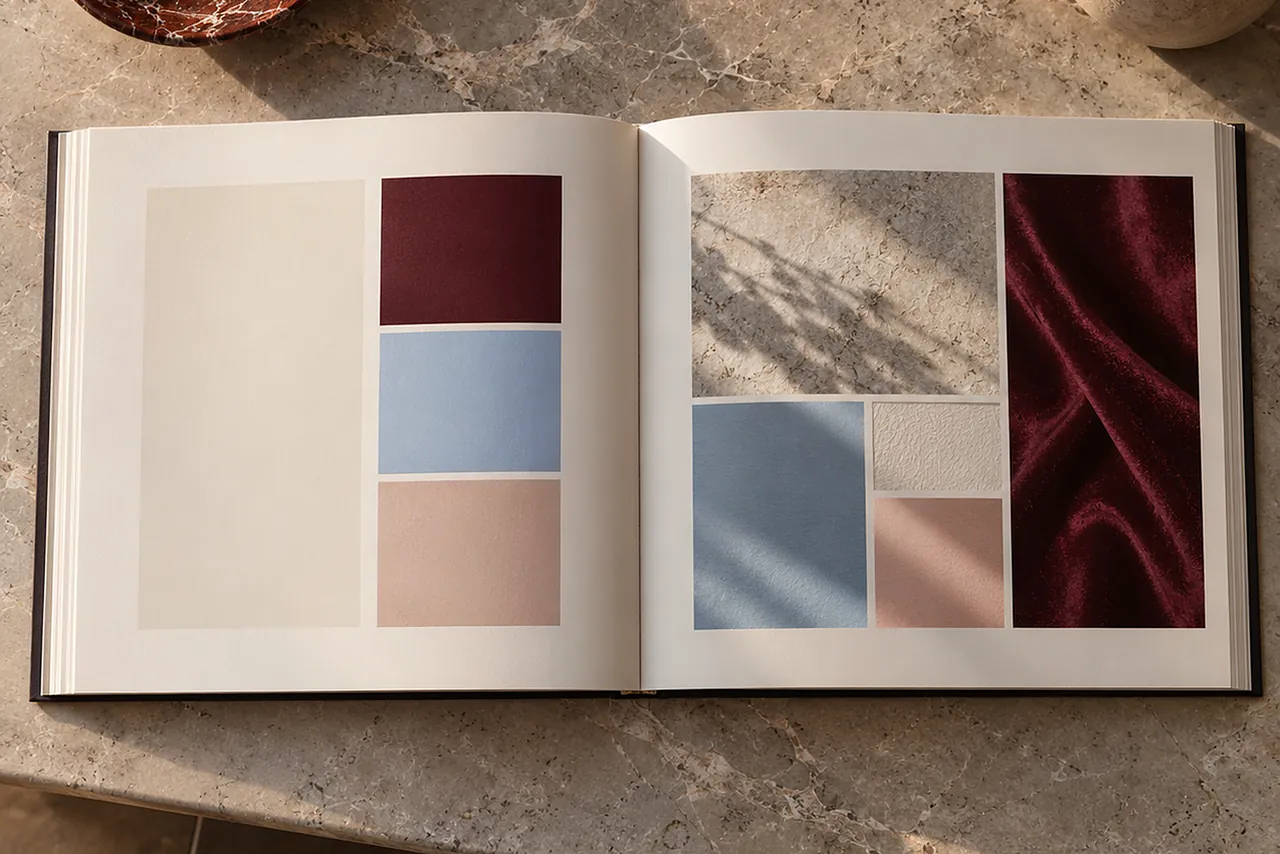
- Colour with real values. Values for print and for screen, and which colour leads. Name the paper or material the colours were matched on: an ivory on coated paper is not the same ivory on uncoated stock.
- Type with real settings. Sizes, line spacing and weights for headings, text and captions, on screen and in print. A typeface without settings is only half a decision.
- Photography and voice. Examples of what to do and what to avoid, side by side. A few lines written in the brand’s voice, next to the lines it would never write.
- Templates. The everyday things people actually make: a letter, a presentation, a social post, an email signature. Templates protect a brand better than rules do.
Keep it alive
Publish the brand book as a web page with a version date, not only as a PDF. Give one person the job of keeping it current, and add a page of the questions people have asked, with the answers. When a supplier gets something wrong, fix the book as well as the file.
The test of a brand book is simple: can a new supplier produce something correct without calling you.
The studio delivers brand books as working tools, with the templates people need. See visual identity & art direction.