Selling to buyers who first see what you sell on a screen
A buyer in another country may watch a video, read a sheet and decide whether to fly in, all before anyone has met. For one-of-a-kind items, that first screen does most of the selling.

A video link is not a sales tool
Many specialist sellers still work through messages: a shaky video, a spreadsheet of details, a few photographs sent on request. Serious buyers receive dozens of these. The ones that feel organised, complete and honest earn a visit. The rest are forgotten, whatever their quality.
One page per item
- A clear hero. One excellent photograph in good light, then the details.
- Standard video. The same views for every item, filmed steadily and edited honestly, so buyers can compare.
- The facts experts look for. Lineage or provenance, records, measurements, history and condition, set out the same way every time.
- Documents to download. Reports, certificates and records, ready for the buyer's own adviser.
- A stated price policy. A price, a range or "on request", but say which, and why.
- How to visit. Location, nearest airport, how viewings and trials work, and who will meet the buyer.
Print still has a place
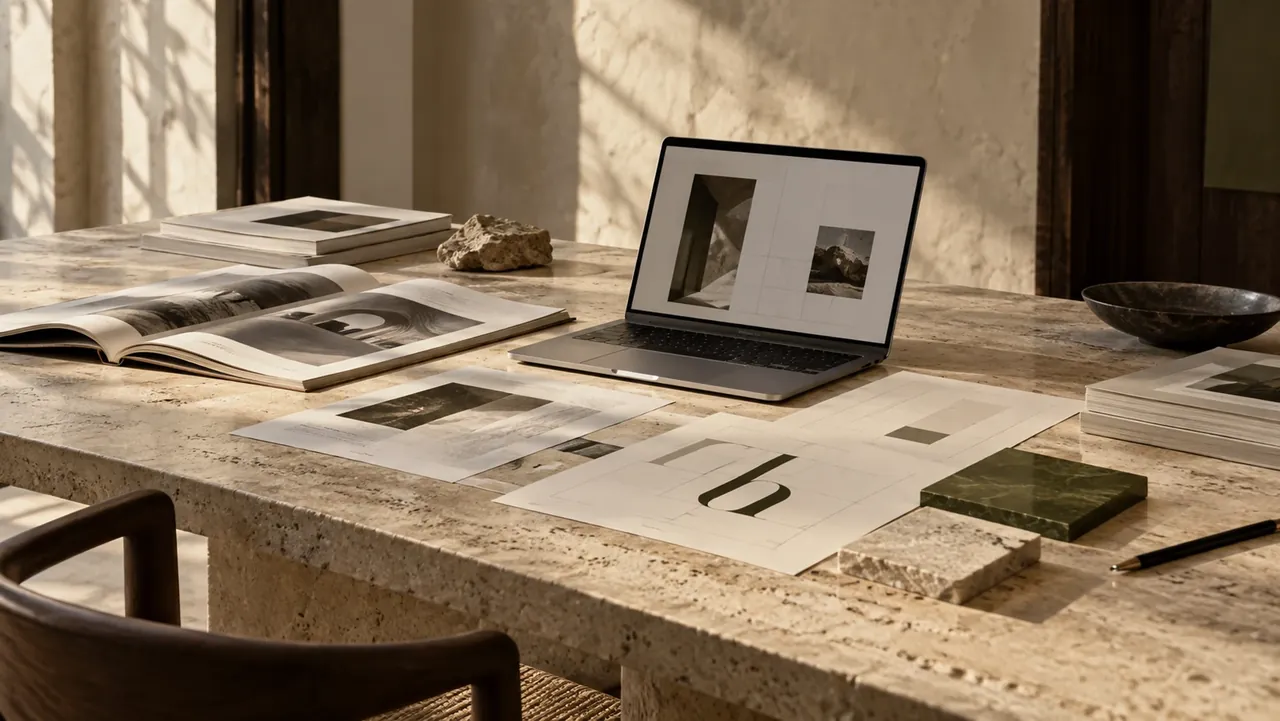
A printed sheet or catalogue for each item, matching the page, travels with buyers to meetings and sits on desks while they decide. It also gives agents something to hand over. Page and print should share one design, so the seller looks like one serious organisation wherever the buyer meets it.
Remote buyers cannot touch what you sell. They judge it by how carefully you present it.
Take your next item for sale and build its page as if the buyer will never visit. If it would convince you from another continent, it is ready.
Related project: HAUTVENT, crest, sales catalogue and horse pages for a show-jumping stable in Normandy.